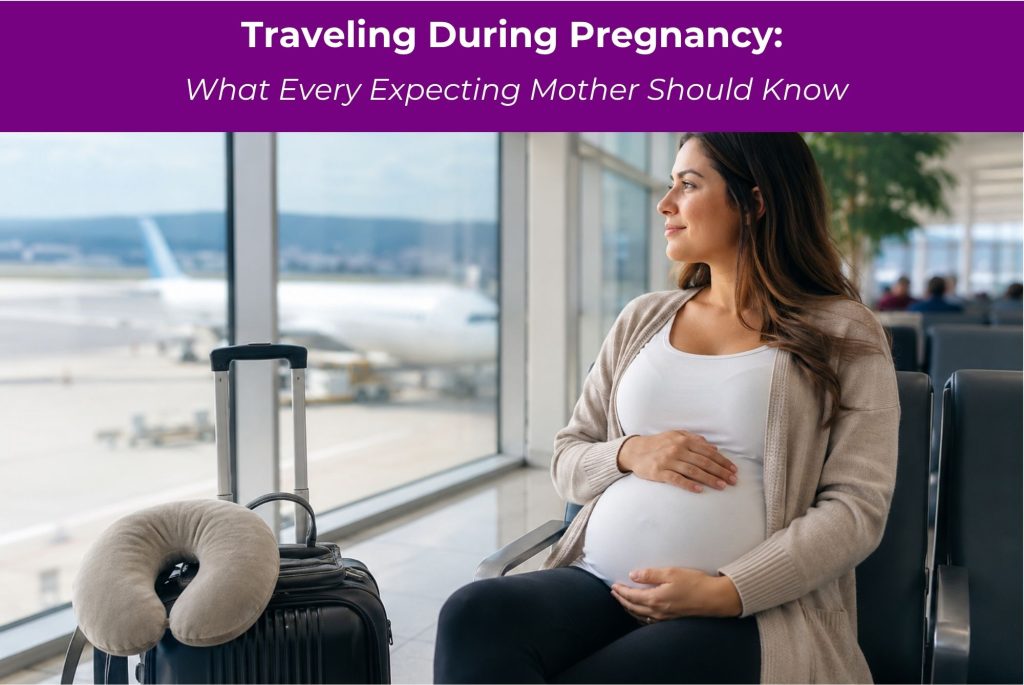
Pregnancy is an exciting time filled with anticipation, preparation, and important decisions—including whether it is safe to travel. Whether you are planning a babymoon, visiting family, traveling for work, or taking a long-awaited vacation, understanding how travel can affect your pregnancy is essential for keeping both you and your baby healthy and safe.
At Maureen O. Khoo, MD, FACOG, we believe that informed mothers have healthier pregnancies. While many women can safely travel during pregnancy, there are important considerations depending on your trimester, destination, medical history, and method of transportation.
This comprehensive guide will help you understand how to travel safely during pregnancy, when to avoid travel, and what precautions you should take before your trip.
Is It Safe to Travel During Pregnancy?
For most women with healthy pregnancies, traveling is generally safe until close to the due date. In fact, the second trimester (weeks 14–28) is often considered the best time to travel because:
- Morning sickness is usually reduced
- Energy levels often improve
- The risk of miscarriage decreases
- Mobility is generally more comfortable than in the third trimester
However, every pregnancy is unique. Women with high-risk pregnancies or certain medical conditions may need to avoid travel altogether or take special precautions.
Before making travel plans, it is always important to consult with your OB/GYN.
Best Time to Travel During Pregnancy
First Trimester Travel
Traveling during the first trimester is usually safe, but some women may experience:
- Fatigue
- Morning sickness
- Dizziness
- Increased nausea during motion
Additionally, the risk of miscarriage is naturally higher during the first trimester, regardless of travel.
Tips for First Trimester Travel
- Stay hydrated
- Pack snacks to reduce nausea
- Take frequent breaks
- Avoid overly strenuous activities
Second Trimester Travel
The second trimester is often the most comfortable and safest time to travel.
Benefits include:
- Lower risk of pregnancy complications
- Improved energy levels
- Reduced nausea
- Greater physical comfort
This is why many expecting mothers choose the second trimester for vacations or babymoons.
Third Trimester Travel
Traveling later in pregnancy can become more challenging due to:
- Swelling
- Fatigue
- Back pain
- Frequent urination
- Increased risk of labor
Many airlines restrict travel after 36 weeks, and some may require a doctor’s note after 28 weeks.
If traveling during the third trimester:
- Stay close to medical facilities
- Avoid remote destinations
- Know where the nearest hospital is located
- Carry prenatal records with you
Traveling by Car During Pregnancy
Road trips can be safe and enjoyable with proper planning.
Car Travel Safety Tips
Wear Your Seatbelt Properly
Always wear a seatbelt:
- Lap belt should fit below your belly and across your hips
- Shoulder belt should rest between your breasts and to the side of your abdomen
Seatbelts significantly reduce injury risks for both mother and baby.
Take Frequent Breaks
Stop every 1–2 hours to:
- Walk around
- Stretch your legs
- Improve circulation
This helps reduce the risk of blood clots and swelling.
Stay Hydrated
Drink plenty of water to prevent:
- Dehydration
- Fatigue
- Headaches
- Contractions
Keep Healthy Snacks Nearby
Nutritious snacks can help maintain blood sugar levels and reduce nausea.
Flying While Pregnant
Air travel is safe for most pregnant women before 36 weeks, but it is important to take precautions.
Tips for Safe Air Travel During Pregnancy
Check Airline Policies
Some airlines:
- Restrict late-pregnancy travel
- Require medical clearance
- Limit international travel during pregnancy
Choose an Aisle Seat
This makes it easier to:
- Walk frequently
- Stretch
- Use the restroom comfortably
Move Regularly
Walk every hour if possible to reduce the risk of blood clots.
Wear Compression Socks
Compression stockings may help improve circulation and reduce swelling.
Stay Hydrated
Airplane cabins can cause dehydration quickly.
Avoid Heavy Luggage
Lifting heavy bags can strain your back and abdominal muscles.
International Travel During Pregnancy
Traveling internationally requires extra preparation.
Important Considerations
Vaccinations
Some vaccines are not recommended during pregnancy.
Speak with your doctor before traveling internationally to determine:
- Which vaccines are safe
- Which destinations may pose health risks
Food and Water Safety
Avoid:
- Unpasteurized dairy products
- Undercooked foods
- Unsafe drinking water
Foodborne illnesses can be more dangerous during pregnancy.
Travel Insurance
Consider purchasing travel insurance that covers:
- Pregnancy-related complications
- Emergency medical care
- Early delivery
Know Medical Resources Nearby
Research nearby hospitals or medical facilities before your trip.
Pregnancy Conditions That May Limit Travel
Some pregnant women should avoid travel or discuss special precautions with their doctor.
These conditions may include:
- High blood pressure
- Preeclampsia
- Placenta previa
- Preterm labor risk
- Gestational diabetes
- Severe anemia
- Multiple pregnancies (twins or more)
- History of miscarriage
- Cervical insufficiency
If you have a high-risk pregnancy, personalized medical advice is essential before traveling.
Essential Pregnancy Travel Checklist
Before leaving for your trip, pack:
- Prenatal vitamins
- Prescription medications
- Comfortable clothing
- Compression socks
- Healthy snacks
- Water bottle
- Prenatal medical records
- Emergency contact information
- Insurance information
Also remember:
- Know your due date
- Locate nearby healthcare facilities
- Share travel plans with your provider
Signs You Should Seek Medical Attention While Traveling
Contact a healthcare provider immediately if you experience:
- Vaginal bleeding
- Severe abdominal pain
- Regular contractions
- Severe swelling
- Severe headaches
- Decreased fetal movement
- Shortness of breath
- Chest pain
- Leakage of fluid
Never ignore symptoms that feel unusual during pregnancy.
How Your OB/GYN Can Help Before You Travel
Before any major trip, schedule a prenatal consultation.
Your OB/GYN can:
- Evaluate whether travel is safe
- Discuss destination-specific concerns
- Provide medical documentation if needed
- Review medications and vaccinations
- Help create a travel safety plan
At Maureen O. Khoo, MD, FACOG, we are committed to supporting mothers through every stage of pregnancy—including safe and healthy travel planning.
Frequently Asked Questions About Traveling During Pregnancy
Can I fly while pregnant?
Yes, most women with healthy pregnancies can safely fly before 36 weeks. Always check with your doctor and airline before traveling.
What is the safest trimester for travel?
The second trimester is generally considered the safest and most comfortable time to travel during pregnancy.
How late into pregnancy can I travel?
Many women can travel safely until about 36 weeks, but recommendations vary based on individual health and pregnancy conditions.
Are road trips safe during pregnancy?
Yes, road trips are usually safe if you take frequent breaks, stay hydrated, and wear your seatbelt correctly.
Should I avoid international travel while pregnant?
Not necessarily, but international travel requires additional precautions regarding vaccinations, food safety, and medical access.
Can traveling cause miscarriage?
Normal travel does not typically cause miscarriage in healthy pregnancies. However, it is important to discuss individual risks with your doctor.
Is it safe to go through airport security scanners?
Yes, airport security scanners are generally considered safe during pregnancy.
How can I reduce swelling while traveling?
You can reduce swelling by:
- Staying hydrated
- Walking frequently
- Wearing compression socks
- Elevating your feet when possible
Should I bring my medical records when traveling?
Yes, carrying prenatal records is highly recommended, especially during later pregnancy or international travel.
When should I call my doctor while traveling?
Contact your doctor immediately if you experience:
- Bleeding
- Contractions
- Severe pain
- Decreased fetal movement
- Fluid leakage
- Severe headaches
Compassionate Pregnancy Care in Los Gatos & Mountain View
Whether you are preparing for a trip, managing a high-risk pregnancy, or seeking expert prenatal care, Maureen O. Khoo, MD, FACOG is here to support your health and your growing family with compassionate, personalized care
Contact Information
Maureen O. Khoo, MD, FACOG
📍 Los Gatos Office
320 Dardanelli Lane Ste 20
Los Gatos, CA 95032
📞 Phone: (408) 364-2440
📍 Mountain View Office
2490 Hospital Drive, Ste 300
Melchor Pavilion
Mountain View, CA 94040
📞 Phone: (408) 364-2440
🖥️ Visit our website or call us to book your appointment today!