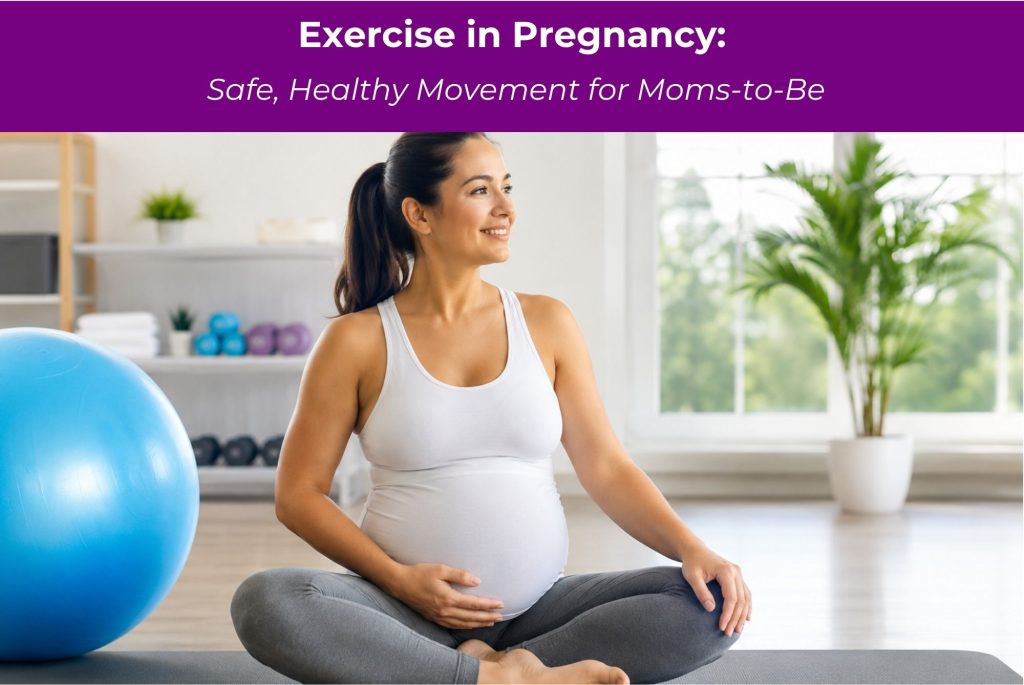
Pregnancy is an exciting and transformative time in a woman’s life. Staying active during pregnancy can help support both maternal and baby health, improve mood, reduce discomfort, and prepare the body for labor and recovery. At Maureen O. Khoo, MD, FACOG, we believe exercise is an important part of a healthy pregnancy when done safely and under the guidance of your healthcare provider.
Whether you are newly pregnant or entering your third trimester, understanding the benefits and best practices for prenatal exercise can help you feel confident and empowered throughout your journey.
Why Exercise During Pregnancy Matters
Regular physical activity during pregnancy offers a wide range of health benefits for both mother and baby. According to the American College of Obstetricians and Gynecologists (ACOG), healthy pregnant women should aim for moderate exercise throughout pregnancy unless otherwise advised by their physician.
Benefits of Prenatal Exercise Include:
- Improved circulation and cardiovascular health
- Reduced back pain and pregnancy discomfort
- Better posture and muscle strength
- Reduced swelling and bloating
- Increased energy levels
- Better sleep quality
- Lower risk of gestational diabetes
- Reduced stress, anxiety, and depression
- Healthy weight management
- Easier labor and postpartum recovery
Exercise can also help improve stamina and endurance, which may be beneficial during childbirth and the postpartum period.
Safe Types of Exercise During Pregnancy
Many forms of exercise are considered safe during pregnancy, especially low-impact activities that support joint health and reduce injury risk.
Walking
Walking is one of the safest and easiest forms of exercise during pregnancy. It improves cardiovascular fitness and can be continued throughout all trimesters.
Swimming and Water Aerobics
Water-based activities reduce pressure on joints while providing full-body conditioning. Swimming may also help relieve swelling and discomfort.
Prenatal Yoga
Prenatal yoga focuses on flexibility, breathing, relaxation, and gentle strengthening. It can help improve balance and reduce stress.
Stationary Cycling
Using a stationary bike can provide a safe cardio workout without the risk of falling associated with outdoor cycling.
Strength Training
Light strength training using proper form and moderate resistance can help maintain muscle tone and support the body during pregnancy.
Pelvic Floor Exercises
Kegel exercises strengthen pelvic floor muscles and may help with labor, delivery, and postpartum recovery.
How Much Exercise Is Recommended During Pregnancy?
Most healthy pregnant women are encouraged to get at least:
- 150 minutes of moderate-intensity aerobic activity each week
This can be broken down into:
- 30 minutes a day
- 5 days a week
Moderate-intensity exercise means you are moving enough to raise your heart rate while still being able to carry on a conversation.
Always discuss your exercise routine with your OB/GYN before beginning or continuing physical activity during pregnancy.
Exercises and Activities to Avoid
While exercise is generally beneficial, some activities may increase the risk of injury or complications during pregnancy.
Avoid:
- Contact sports
- Activities with high fall risk (skiing, horseback riding, gymnastics)
- Scuba diving
- Hot yoga or exercising in extreme heat
- Heavy lifting without medical clearance
- Exercises that involve lying flat on your back for long periods after the first trimester
If something feels uncomfortable or painful, stop immediately and contact your healthcare provider.
Warning Signs to Stop Exercising During Pregnancy
Contact your doctor if you experience any of the following during exercise:
- Vaginal bleeding
- Dizziness or fainting
- Chest pain
- Severe shortness of breath
- Headache
- Muscle weakness
- Painful contractions
- Calf swelling or pain
- Decreased fetal movement
- Fluid leaking from the vagina
Your safety and your baby’s health are always the top priorities.
Tips for Exercising Safely During Pregnancy
Stay Hydrated
Drink plenty of water before, during, and after exercise.
Wear Supportive Clothing
Choose comfortable workout clothes and supportive shoes designed for low-impact activity.
Avoid Overheating
Exercise in cool, ventilated areas and avoid intense heat exposure.
Listen to Your Body
Pregnancy is not the time to push yourself excessively. Modify exercises as your body changes.
Warm Up and Cool Down
Gentle stretching before and after activity can help prevent injury and soreness.
Maintain Proper Nutrition
A healthy diet supports both exercise and pregnancy wellness.
Exercise by Trimester
First Trimester
Many women can continue their pre-pregnancy exercise routine with modifications as needed. Fatigue and nausea may require lighter activity.
Second Trimester
Energy levels often improve during the second trimester. Focus on posture, core stability, and avoiding exercises that strain the abdomen.
Third Trimester
As the body prepares for labor, prioritize gentle movement, stretching, and low-impact cardio to stay comfortable and active.
Frequently Asked Questions About Exercise During Pregnancy
Is it safe to exercise while pregnant?
Yes, exercise is generally safe and recommended for most healthy pregnancies. Always consult your OB/GYN before starting or continuing an exercise program.
Can I continue my regular workouts during pregnancy?
In many cases, yes. However, modifications may be needed depending on your stage of pregnancy and overall health.
What exercises are best during pregnancy?
Walking, swimming, prenatal yoga, light strength training, and stationary cycling are often recommended.
Can exercise harm my baby?
Moderate, doctor-approved exercise is usually safe and beneficial. High-risk or extreme activities should be avoided.
When should I stop exercising during pregnancy?
Stop exercising and contact your healthcare provider if you experience dizziness, bleeding, chest pain, contractions, or other concerning symptoms.
Can exercise help with labor and delivery?
Yes. Staying active may improve endurance, muscle strength, and recovery after childbirth.
Is it safe to exercise every day while pregnant?
Daily moderate exercise is often safe for healthy pregnancies, but it is important to listen to your body and avoid overexertion.
What if I was not active before pregnancy?
You can still begin a gentle exercise routine during pregnancy with your doctor’s guidance. Start slowly and increase activity gradually.
Can exercise reduce pregnancy discomfort?
Yes. Exercise may help relieve back pain, swelling, constipation, fatigue, and stress.
Should I wear a belly support band during exercise?
Some women find support bands helpful, especially during later pregnancy stages. Ask your healthcare provider for recommendations.
Partner With a Trusted OB/GYN During Your Pregnancy Journey
Every pregnancy is unique, and personalized care is essential when it comes to exercise and overall prenatal wellness. At Maureen O. Khoo, MD, FACOG, we are committed to supporting women through every stage of pregnancy with compassionate, expert obstetric and gynecologic care.
If you have questions about safe exercise during pregnancy or would like to schedule prenatal care, our team is here to help.
Contact Information
Maureen O. Khoo, MD, FACOG
📍 Los Gatos Office
320 Dardanelli Lane Ste 20
Los Gatos, CA 95032
📞 Phone: (408) 364-2440
📍 Mountain View Office
2490 Hospital Drive, Ste 300
Melchor Pavilion
Mountain View, CA 94040
📞 Phone: (408) 364-2440
🖥️ Visit our website or call us to book your appointment today!