From the offices of Maureen O. Khoo, MD, FACOG – Los Gatos & Mountain View, CA
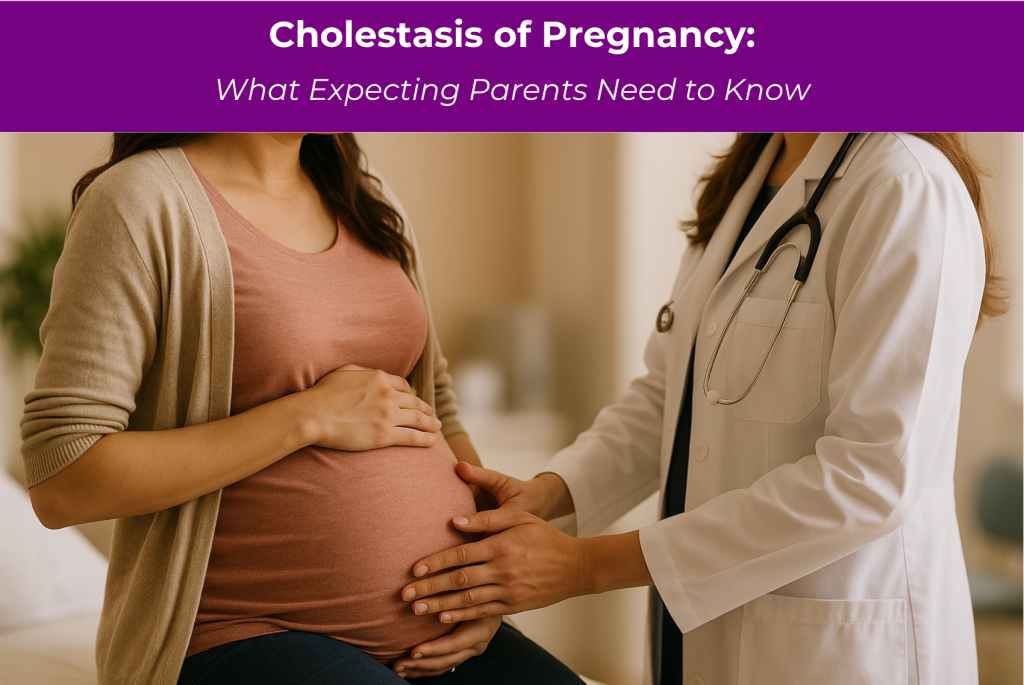
Pregnancy comes with many new sensations, but some symptoms deserve extra attention. One of these is intense itching without a rash, especially on the palms of your hands and the soles of your feet. This can be a sign of cholestasis of pregnancy, also called intrahepatic cholestasis of pregnancy (ICP).
Cholestasis of pregnancy is a liver condition that typically appears in the second half of pregnancy, most often in the third trimester. It can be very uncomfortable for you and, more importantly, may increase certain risks for your baby, so prompt evaluation and close follow-up with your OB/GYN are essential. Mayo Clinic+1
Our team at the offices of Maureen O. Khoo, MD, FACOG is here to help you understand this condition, create a safe plan for your pregnancy, and support you every step of the way.
What Is Cholestasis of Pregnancy?
Cholestasis of pregnancy is a temporary liver disorder that happens only during pregnancy. Normally, your liver helps move bile (a fluid that aids digestion) from the liver into the digestive tract. In cholestasis of pregnancy, this flow slows down or becomes blocked.
As a result, bile acids build up in your bloodstream, which is believed to cause the hallmark symptom: intense itching. UpToDate+1
Key points:
- Usually begins in the second or third trimester, but can start earlier. CME LinkedIn+1
- Often goes away on its own within days to weeks after delivery. Mayo Clinic+1
- It may come back in future pregnancies.
Common Symptoms to Watch For
The most common symptom of cholestasis of pregnancy is:
- Intense itching (pruritus) without a rash
- Often worse at night
- Frequently affects the palms of the hands and soles of the feet, but can occur anywhere on the body Mayo Clinic+2CMAJ+2
- Often worse at night
Other possible symptoms include:
- Dark urine
- Pale or light-colored stools
- Fatigue or trouble sleeping due to itching
- Nausea or decreased appetite
- Yellowing of the skin or eyes (jaundice) – less common CMAJ+1
👉 Important: Mild itching is common in pregnancy, especially as the skin stretches. However, intense, persistent itching—especially without a rash—should always be discussed with your provider promptly.
If you experience these symptoms, contact our office at (408) 364-2440 so we can guide you on next steps.
Why Cholestasis of Pregnancy Matters
While many mothers with cholestasis of pregnancy remain medically stable, the condition can be more concerning for the baby. Due to elevated bile acids, there is an increased risk of:
- Preterm birth (spontaneous or recommended early delivery)
- Meconium-stained amniotic fluid (baby’s first stool in the womb)
- Fetal distress
- Stillbirth, particularly when bile acid levels are very high (≥100 µmol/L) ICP Care+4MDPI+4AJOG+4
Because of these potential risks, most guidelines recommend close monitoring and often a planned early-term delivery (typically between 36–39 weeks, depending on bile acid levels and your individual situation). AJOG+1
Your provider will balance the risks of staying pregnant longer with the risks of early delivery, and create a plan that fits your pregnancy.
What Causes Cholestasis of Pregnancy?
The exact cause is not fully understood, but research suggests a combination of:
- Hormones: Pregnancy hormones (especially estrogen and progesterone) can affect how bile moves through the liver. Wikipedia+1
- Genetics: Some women may have genetic changes that affect bile transport in the liver, making them more prone to cholestasis in pregnancy. Nature+1
- Environment: Factors like season, nutrition, and geographic region may play a role. Nature+1
You did not cause this condition. It’s not related to anything you did or didn’t do during pregnancy.
How Cholestasis of Pregnancy Is Diagnosed
If your provider suspects cholestasis of pregnancy, they will usually:
- Take a detailed history and review your symptoms
- Onset, severity, pattern of itching
- Any other symptoms like dark urine or pale stools
- Onset, severity, pattern of itching
- Order blood tests, including:
- Serum bile acids – the most important test for diagnosis and risk assessment
- Liver function tests (LFTs) – to check enzymes and liver health CMAJ+2CME LinkedIn+2
- Serum bile acids – the most important test for diagnosis and risk assessment
- Consider additional tests if needed, to rule out other liver or gallbladder conditions.
Because bile acid levels can change over time, your provider may repeat these blood tests periodically to guide management and timing of delivery.
Treatment & Monitoring
The goals of treatment are to:
- Reduce itching and improve your comfort
- Lower bile acid levels if possible
- Protect your baby by monitoring closely and planning safe timing of delivery
Common Elements of Management
Your care plan may include:
- Medication to help your liver move bile more effectively and reduce bile acids in the bloodstream, which can improve itching. American Liver Foundation+1
- Regular blood tests to track bile acids and liver enzymes
- Fetal surveillance, which may include:
- Non-stress tests (NSTs)
- Biophysical profiles (BPPs)
- Ultrasound monitoring for growth and amniotic fluid
- Non-stress tests (NSTs)
- Planned early-term delivery, often between 36–39 weeks, depending on how high your bile acid levels are and other risk factors. Higher bile acid levels are associated with greater risk, particularly at or above 100 µmol/L. AJOG+2CME LinkedIn+2
Every pregnancy is different, so Dr. Khoo will individualize your plan based on your labs, your baby’s well-being, and your overall health.
After Delivery: What to Expect
The good news is that cholestasis of pregnancy is usually temporary:
- Itching and abnormal lab values typically improve within days to weeks after birth. Mayo Clinic+1
- Your provider may recheck liver tests postpartum to ensure they have returned to normal.
However, there are a few important long-term considerations:
- Recurrence: Cholestasis of pregnancy can come back in a future pregnancy—some studies suggest recurrence in 60–90% of cases. March of Dimes+1
- Future liver health: Most people do not develop chronic liver disease from cholestasis of pregnancy, though there may be a slightly increased risk of certain liver or gallbladder conditions later in life. JOGC+1
Dr. Khoo can discuss your individual risk, family planning, and what to watch for in future pregnancies.
How Dr. Maureen O. Khoo’s Offices Support Patients with Cholestasis of Pregnancy
At the offices of Maureen O. Khoo, MD, FACOG, we understand that a diagnosis of cholestasis of pregnancy can feel overwhelming. Our priorities are:
- Prompt evaluation when you report symptoms like intense itching
- Clear communication about your test results and what they mean
- Personalized monitoring and delivery planning to support the safest outcome possible for you and your baby
- Compassionate support for you and your family during what can be an anxious time
With two convenient locations in Los Gatos and Mountain View, we’re here to provide accessible, high-quality obstetric care throughout your pregnancy.
Comprehensive Q&A: Cholestasis of Pregnancy
1. Does all itching in pregnancy mean I have cholestasis?
No. Mild, generalized itching—especially as your skin stretches—is very common in pregnancy and often not serious. However, cholestasis of pregnancy typically causes intense itching without a rash, often on the hands and feet, and may worsen at night. Mayo Clinic+1
Because it can be hard to tell the difference on your own, it’s important to call our office if your itching is severe, persistent, or concerning to you.
2. When should I call the office?
You should contact us if:
- You have intense itching, especially on your hands or feet
- The itching is keeping you up at night or interfering with daily life
- You notice dark urine, pale stools, or yellowing of your skin or eyes
- Your symptoms are worsening over time
Call (408) 364-2440, and we’ll help determine whether you need an urgent visit, blood tests, or other evaluation.
3. How is cholestasis different from a skin rash or PUPPP?
Skin conditions like PUPPP (pruritic urticarial papules and plaques of pregnancy) usually cause:
- Visible red bumps or rash, often starting on the abdomen
- Localized areas of irritation
Cholestasis of pregnancy typically:
- Does not cause a rash
- Causes intense itching that may be more generalized, often starting on the palms and soles CMAJ+1
Blood tests help distinguish cholestasis from dermatologic causes of itching.
4. Will my baby definitely have complications?
Not necessarily. Many babies of parents with cholestasis of pregnancy are born healthy. However, the overall risks of complications—including preterm birth, meconium-stained fluid, and stillbirth—are higher than in pregnancies without cholestasis, especially when bile acid levels are very high. MDPI+2AJOG+2
This is why we focus on:
- Frequent monitoring
- Medication when appropriate
- Thoughtful timing of delivery
Our goal is to reduce risk as much as possible while supporting a healthy pregnancy and delivery.
5. Will I need to be induced early?
Many patients with cholestasis of pregnancy are offered planned early-term delivery, often between 36 and 39 weeks, depending on bile acid levels and other factors. AJOG+2CME LinkedIn+2
- Higher bile acid levels (≥100 µmol/L) are associated with greater risk and may prompt earlier delivery recommendations.
- Lower levels may allow expectant management until closer to your due date, with close monitoring.
Your delivery plan will be customized after careful discussion with Dr. Khoo.
6. Can I still have a vaginal birth?
In many cases, yes. Cholestasis of pregnancy typically influences timing of delivery more than mode of delivery.
- If there are no other obstetric complications, an induction of labor for a vaginal birth is often planned.
- A cesarean section may be recommended for standard obstetric reasons (for example, baby’s position, prior surgeries, or other medical considerations), not simply because of cholestasis alone.
Your mode of delivery will be decided based on your full clinical picture and preferences.
7. Will I have cholestasis in future pregnancies?
There is a significant chance of recurrence. Studies suggest cholestasis of pregnancy comes back in more than half of future pregnancies. March of Dimes+1
If you had cholestasis before:
- Let us know early in your next pregnancy
- We may monitor you more closely for symptoms and consider earlier bile acid testing
8. Can I breastfeed if I had cholestasis of pregnancy?
In most cases, yes. Cholestasis of pregnancy generally resolves after delivery, and breastfeeding is usually considered safe. March of Dimes+1
Certain medications or unique liver conditions might require special consideration, so we’ll review your personal situation and discuss any precautions.
9. Are there lifestyle changes that can help?
While lifestyle changes cannot cure cholestasis of pregnancy, you might find some comfort with:
- Cool baths or compresses
- Gentle, fragrance-free moisturizers
- Loose, soft clothing
- Keeping nails short to minimize skin damage from scratching
Because this is a liver and bile acid issue, home remedies alone are not enough. Medical evaluation and monitoring are essential.
10. How should I prepare for my appointment about possible cholestasis?
To make the most of your visit:
- Track your symptoms
- When the itching started
- Where it is most intense
- Whether it is worse at night
- When the itching started
- Note any changes in urine or stool color
- Bring a list of medications, vitamins, and supplements
- Write down any questions or concerns you and your partner have
We’ll review your history, examine you, and arrange blood tests or monitoring as needed.
Contact Our Offices
If you are pregnant and concerned about cholestasis—or experiencing intense itching—please reach out. Early evaluation can help us protect your health and your baby’s well-being.
📍 Los Gatos Office
Maureen O. Khoo, MD, FACOG
320 Dardanelli Lane Ste 20
Los Gatos, CA 95032
Phone: (408) 364-2440
📍 Mountain View Office
Maureen O. Khoo, MD, FACOG
2490 Hospital Drive, Ste 209
Melchor Pavilion
Mountain View, CA 94040
Phone: (408) 364-2440
🖥️ Visit our website or call us to book your appointment today!
Medical disclaimer: This blog post is for general educational purposes only and is not a substitute for personalized medical advice, diagnosis, or treatment. If you are pregnant and experiencing concerning symptoms—especially intense itching—or think you may have cholestasis of pregnancy, please contact your healthcare provider or our office promptly.